
Boost Your Brand’s Visibility: Custom Products in Alcohol Marketing
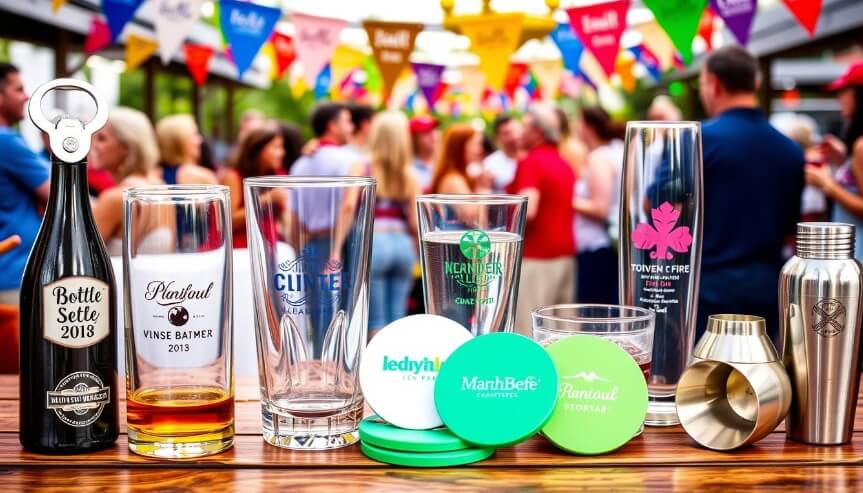
Did you know the global food and beverage market is projected to skyrocket to a staggering $8,905.5 billion by 2026? That’s an enormous opportunity for beverage companies to expand their horizons and make a significant impact. Picture yourself at a vibrant craft brewery launch party. The excitement in the air is palpable, and every guest is holding a custom-branded glass. It’s not just a drink holder—it’s a conversation starter, a cherished keepsake, and a clever marketing tool all rolled into one.
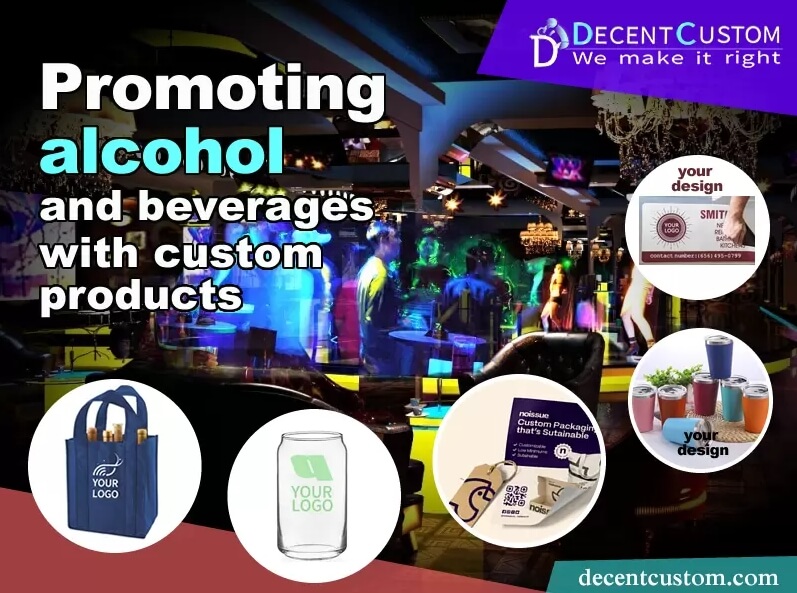
This scenario perfectly illustrates how custom products can elevate alcohol promotion. As drinking habits evolve, brands need fresh strategies to stand out. Custom products, from branded tall glass cups to innovative packaging, provide a unique way to enhance visibility and make a lasting impression.
Current Trends Shaping the Beverage Industry
The beverage landscape is constantly shifting. Coffee, a global favorite, is now emphasizing clean energy and health benefits in the wake of the pandemic. Meanwhile, Carbonated Soft Drinks (CSD) are projected to grow by 4.7% by 2029, reaching nearly $335.03 billion. Amidst these changes, custom and branded items are becoming increasingly vital for alcohol and beverage brands. They not only boost brand awareness but also offer consumers a distinctive experience.
Understanding the Alcoholic Beverage Market
The alcohol industry is in flux, with evolving trends and emerging challenges. As a liquor store owner, adapting to these changes is essential for staying ahead. For instance, the spirits market has been outpacing beer in the U.S., highlighting a shift towards premium and craft spirits. Health-conscious consumers are seeking better options, which now account for 29% of the market.
Non-alcoholic beverages are also on the rise, expected to grow by 25% from 2022 to 2026. Innovations like hard seltzers and kombucha are gaining popularity, with some brands experiencing explosive growth.
Challenges and Strategies for Liquor Store Owners
In the competitive world of liquor retail, standing out is a challenge. Online competition and changing consumer habits—especially among younger demographics—require strategic responses. For instance, 54% of 18- to 34-year-olds prefer premium drinks, compared to just 35% of older consumers. This shift necessitates careful inventory management and pricing strategies.
To differentiate my store, I’ve found success with custom-made goods and personalized products. These items not only attract customers but also make their shopping experience memorable. Collaborating with local distilleries and offering unique, personalized items has proven effective in boosting brand visibility.
The Impact of Custom Products on Marketing
Custom giveaways have revolutionized alcohol marketing. In 2023, nearly half of Americans planned to purchase alcohol for Memorial Day, spending a remarkable $29 billion on summer beverages. This trend presents a significant opportunity for brands to leverage personalized gifts in their marketing strategies.
Data-driven marketing is crucial for optimizing custom product campaigns. SaaS technology allows brands to monitor shelf space and product placement, leading to more effective marketing strategies. Predictive data helps tailor campaigns to consumer behaviors, enhancing engagement and boosting results.
Effective Marketing Strategies for Alcohol Brands
Here’s a snapshot of how different strategies can impact your marketing efforts:
| Trend | Impact | Strategy |
|---|---|---|
| Rise of spirits | Increased demand for premium spirits | Expand craft and premium spirit selection |
| Health consciousness | Growing interest in healthier options | Offer low-calorie and non-alcoholic alternatives |
| Premiumization | Shift towards higher-priced products | Stock premium brands and create personalized items |
| Online competition | Pressure on brick-and-mortar stores | Enhance the in-store experience with custom promotional items |
Identifying and Targeting Your Customer Base
Understanding your customer base is key to effective marketing. By analyzing demographics—age, location, gender, income, and education—you can tailor your promotions and products to meet their preferences. Tools like Google Analytics can provide valuable insights into customer behaviors and preferences.
Tracking buying habits helps refine marketing strategies. Offering custom items like paper coasters or branded glass cups can increase interest and drive sales. Partnering with local businesses can also expand your reach and attract new customers.
Budgeting for Alcohol Promotion
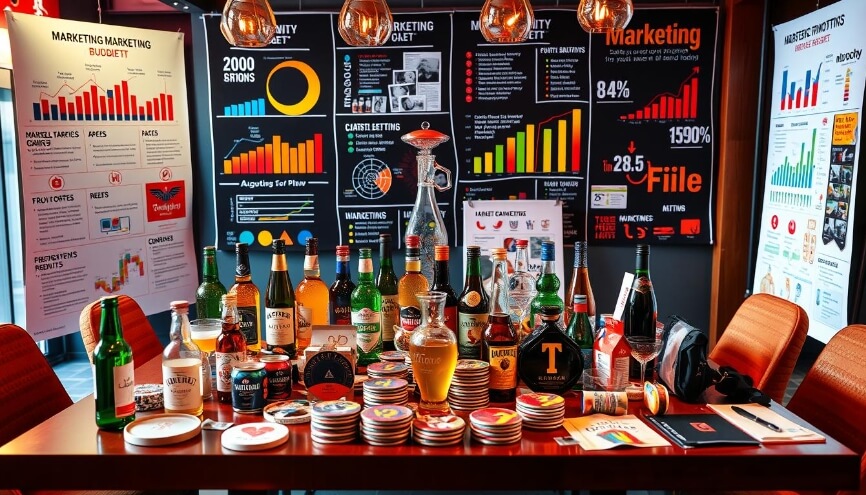
Creating a strategic marketing budget is essential. Industry standards suggest allocating 7-8% of revenue to marketing, with the average spend for alcohol brands being around 10.9%. Here’s a sample monthly budget breakdown:
| Category | Allocation | Examples |
|---|---|---|
| Digital Marketing | 45% | Social media, SEO, PPC ads |
| Traditional Marketing | 25% | Print ads, radio spots |
| Events & Sponsorships | 15% | Tastings, local festivals |
| Custom Products | 10% | Branded drinkware, personalized labels |
| Research & Analytics | 5% | Market analysis, performance tracking |
Leveraging Social Media for Alcohol Promotion
Social media has become a vital platform for alcohol brands. In 2020, digital ad spending surpassed traditional methods, underscoring the importance of online platforms. Instagram, Facebook, and TikTok each offer unique opportunities for engagement. Crafting compelling content—like cocktail recipes, behind-the-scenes glimpses, and brand stories—can captivate your audience.
Influencer marketing can amplify your reach. Collaborate with influencers who align with your brand to enhance visibility. Ensure compliance with platform rules and age restrictions to promote your products responsibly.
In-Person Marketing Techniques for Liquor Stores
In-person marketing remains effective. Creating a welcoming store environment and hosting events—like tastings and cocktail classes—can boost customer engagement. Custom promotional items and loyalty programs further enhance the shopping experience and build brand loyalty.
Traditional Marketing Methods That Still Work
Despite the digital shift, traditional marketing methods continue to be effective. Direct mail campaigns, local print advertising, and seasonal promotions can attract local customers and increase brand visibility.
Utilizing POS Systems for Enhanced Marketing
POS systems are transforming marketing strategies. By analyzing customer data, managing inventory, and implementing loyalty programs, liquor stores can enhance their marketing efforts and build stronger customer relationships.
The Game-Changer in Alcohol Promotions: Custom Products
Custom products are revolutionizing alcohol marketing. Decentcustom.com offers a range of personalized items—from branded drinkware to customized packaging—that can elevate your brand and attract more customers.
Designing Effective Point-of-Sale Displays
Effective POS displays are crucial for driving sales. Custom displays can increase brand recognition and sales by making products more visible and engaging. Investing in high-quality displays can significantly impact your marketing efforts.
Legal Considerations in Alcohol Marketing
Marketing alcohol requires adherence to legal regulations. Ensure compliance with age restrictions, advertising rules, and responsible drinking messaging to promote your products ethically and legally.
Measuring Marketing Success
Tracking marketing success is essential for optimizing strategies. Focus on metrics like Return on Investment (ROI), conversion rates, and email engagement to evaluate the effectiveness of your campaigns. Segmenting your audience and testing different approaches can help refine your marketing efforts.
Conclusion
In the competitive world of alcohol marketing, custom products are more than just promotional items—they are key to enhancing brand visibility and customer engagement. By leveraging trends, data-driven strategies, and creative marketing techniques, alcohol brands can create memorable experiences that resonate with their audience and drive long-term success.