
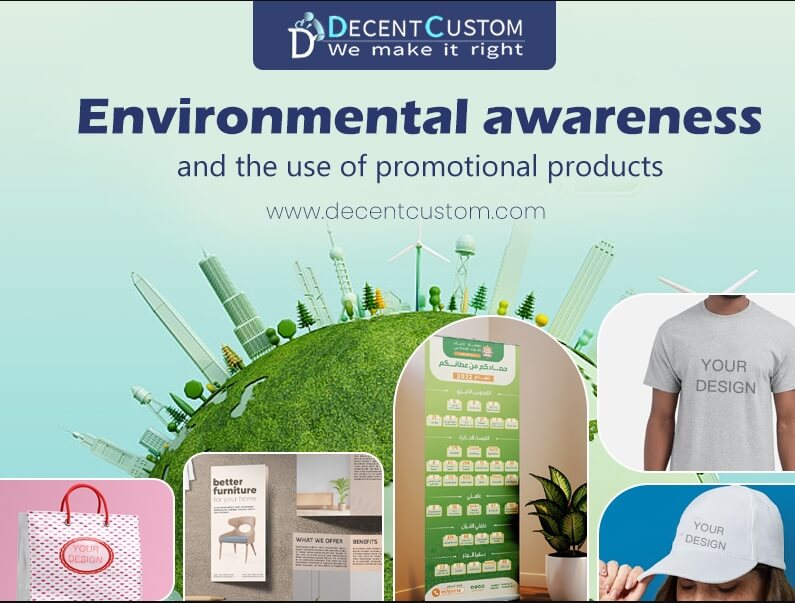
The Power of Eco-Friendly Promotional Products: A Modern Marketing Strategy
In today’s world, environmental awareness is more than just a buzzword—it’s a fundamental shift in how we approach marketing and branding. As businesses strive to align with green values, eco-friendly promotional products have emerged as a powerful tool for building brand loyalty and enhancing corporate image.
Imagine This: A Trade Show with a Green Twist
Picture yourself at a bustling trade show, surrounded by a sea of booths and giveaways. Among the myriad of trinkets, one stands out: a branded 7-outlet power strip. Its practical use is impressive, but what truly grabs your attention is its eco-friendly message. It’s not just about the functionality of the product; it’s about the effort behind it—a commitment to supporting sustainable practices.
Decentcustom: Leading the Charge in Eco-Friendly Marketing
Companies like Decentcustom are at the forefront of this movement, offering a range of green promotional items that reflect their dedication to environmental stewardship. From upcycled recycle boxes capable of holding up to 800 writing utensils to FSC-certified recyclable packaging, these products are more than just marketing tools; they symbolize a genuine commitment to the planet.
Why Eco-Friendly Marketing Matters
Let’s dive into why eco-friendly marketing is becoming a crucial component of brand strategy. Studies reveal that 73% of people believe companies should prioritize environmental care. This sentiment translates into consumer behavior, with 63% of consumers preferring to buy from brands that focus on sustainability. Businesses that embrace green marketing are not just following a trend—they’re making a strategic choice that resonates with their audience.
Business Commitment to Sustainability: A Growing Trend
The shift towards sustainability isn’t just about meeting consumer expectations—it’s also about building lasting customer relationships. A staggering 81% of people expect companies to showcase their green initiatives in advertising. This shift has been accelerated by the pandemic, with 64% of people becoming more eco-conscious.
Take, for instance, 80 Acres Farms, which has revolutionized agriculture with vertical farming that reduces water usage by 97%. Similarly, Coca-Cola has committed to making all its packaging recyclable by 2025. These examples highlight how businesses are integrating sustainability into their core operations and marketing strategies.
Eco-Friendly Promotional Products: A Smart Marketing Choice
The growing market for eco-friendly promotional products is a testament to their effectiveness. In 2023, the global demand for such items surged, indicating a shift towards greener consumer choices. Research shows that 90% of people remember a brand after receiving a promotional item, and 73% are more likely to engage with that brand. This underscores the power of promotional products in creating a lasting impact.
Building Brand Recognition and Loyalty
The benefits of eco-friendly promotional products extend beyond immediate recognition. For example, 89% of people recall a brand’s name even years after receiving a promotional item. This long-term impact is a significant advantage for brands looking to maintain a strong presence in consumers’ minds. Furthermore, 83% of consumers remain loyal to brands that offer promotional items, with 46% holding favorable opinions of brands that use eco-friendly products.

Demonstrating Corporate Social Responsibility
Using eco-friendly products is a key aspect of corporate social responsibility (CSR). A Deloitte study found that 93% of business leaders believe companies should prioritize societal welfare over mere profit-making. Leading brands like Lego and Ben & Jerry’s are setting the bar high with their commitments to green materials and community support, respectively.
Attracting the Eco-Conscious Consumer
To attract today’s eco-conscious consumer, businesses must integrate sustainability into their core strategies. A substantial 83% of shoppers prefer environmentally friendly brands, and nearly 90% of younger consumers are willing to spend more on sustainable products. Companies that focus on recyclable and biodegradable options, and those that hold certifications like B Corp or Carbon Neutral Certified, are better positioned to meet these expectations.
Choosing the Right Eco-Friendly Promotional Products
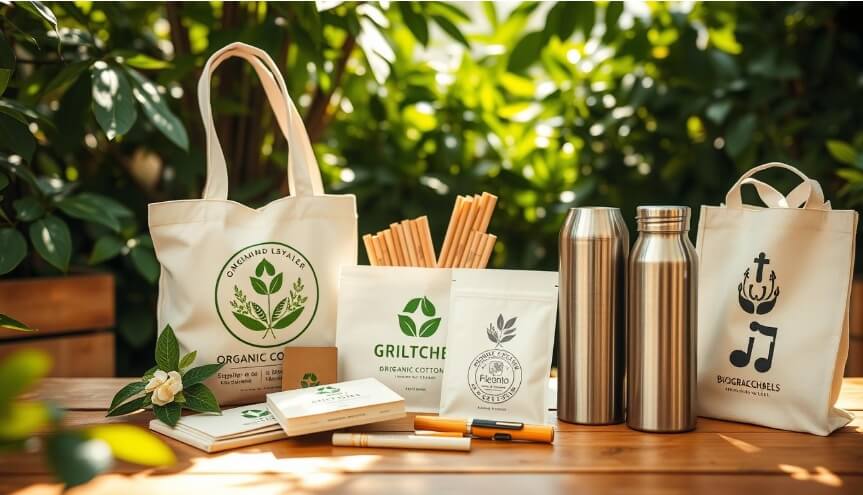
Selecting the right eco-friendly promotional products involves considering materials, reusability, and alignment with brand values. Options such as recycled notebooks, reusable drinkware, and plantable seed paper not only reduce environmental impact but also offer practical benefits to users. Decentcustom.com provides a range of customizable products that meet these criteria, helping businesses enhance their green credentials.
Integrating Green Practices into Marketing Strategies
Incorporating sustainability into marketing strategies requires more than just using eco-friendly products. It involves creating a brand narrative that reflects genuine environmental responsibility. Businesses like Patagonia and Google have demonstrated how green practices can enhance brand reputation and customer loyalty. Focusing on durable products and engaging in green marketing initiatives can also provide financial benefits and positive media coverage.
Educating Your Audience on Environmental Benefits
Effective communication about the environmental benefits of sustainable products is crucial. Utilizing marketing materials, social media, and educational campaigns can help businesses convey their green message. Engaging storytelling and transparent impact reporting further build trust and demonstrate a brand’s commitment to sustainability.
Conclusion
In summary, integrating eco-friendly promotional products into your marketing strategy is not just a trend—it’s a smart, strategic move that resonates with today’s environmentally conscious consumers. By choosing sustainable options and communicating their benefits effectively, businesses can enhance their brand image, build customer loyalty, and contribute to a greener future.