

The Role of Promotional Products in Product Launches: Elevating Brand Awareness and Boosting Sales
Promotional products are everywhere—at trade shows, in our mailboxes, and sometimes even on our coffee tables, right? But have you ever stopped to think about why these branded mugs, pens, and t-shirts are more than just freebies?
Let’s cut to the chase:
They’re powerful marketing tools. U.S. companies spend over $20 billion annually on promotional items, which highlights their massive potential in brand-building and sales strategies. Think about it: these little gadgets aren’t just giveaways—they’re memories waiting to happen.
The Power Behind the Product
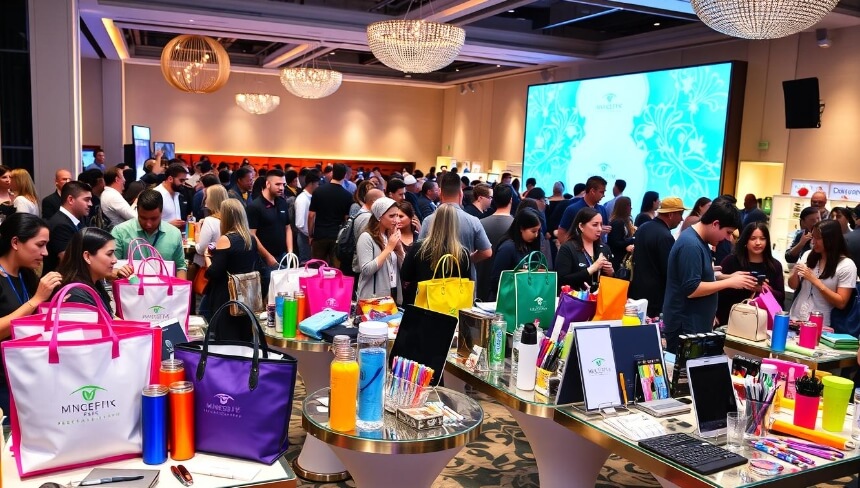
Imagine this: you walk into a product launch event for a new tech startup. The room smells like artisanal coffee, and everyone is walking around with sleek, branded coffee cups. No one’s talking about the coffee—it’s all about the new product. The excitement builds, and in the end, those cups aren’t just something to sip from. They’re subtle but powerful reminders of the brand. Every time someone takes a sip, it’s another impression.
Now, think about your habits—how many times do you glance at your favorite mug or toss on a branded tee from an event? Exactly.
These small items, these tokens, are marketing giants in disguise.
Why Promotional Products Outlast Other Ads
Here’s the kicker: these products make an impression—often over 1,000 times per month! That blows digital ads out of the water, doesn’t it? A pen might get passed around in an office, or a custom reusable bag becomes a grocery run essential, and boom—your brand’s visibility shoots through the roof. This longevity is why even corporate behemoths like Pfizer, General Motors, and AT&T shell out millions for these custom items. They know that when people hold something tangible, it stays with them longer, literally and figuratively.

Choosing The Right Products from Decentcustom: Where Art Meets Strategy
Now, it’s easy to get overwhelmed with choices. Should you go for branded outerwear, trendy drinkware, or those reusable totes everyone loves? The trick lies in understanding your audience and creating an emotional connection. The best promotional items align with your brand’s core identity while being something people will use.
Take eco-conscious buyers, for example. If sustainability is a priority, offering eco-friendly products like reusable bags or bamboo drinkware not only aligns with your values but resonates deeply with your audience. And remember, people want something functional—products that integrate seamlessly into their lives. It’s like offering someone a roadmap to your brand without them even realizing it.
Data That Doesn’t Lie
Here’s the deal: promotional products don’t just boost brand recognition; they also create strong emotional ties. Check out the numbers—76% of consumers remember the name of a company from a promotional product they received. That’s huge. Even better, 79% of people are more likely to do business with a brand after receiving one. It’s like these products have this superpower of fostering loyalty that sticks around for years.
Still not convinced? Think about this: 63% of people end up sharing the items they receive, which means your brand’s exposure grows organically, kind of like a viral ripple effect.
Why Timing Is Everything
Here’s a golden nugget: timing matters. Launching a product? Don’t just hand out swag willy-nilly. Start teasing a few months before the launch. Build anticipation with sneak peeks or limited-edition giveaways. Think of promotional products as the ultimate hype men—they should pump up the excitement before, during, and after your launch.
Real-Life Wins: When Brands Get It Right
Let’s talk examples. Coca-Cola’s “Share a Coke” campaign is still legendary. By personalizing bottles with common names, they tapped into something emotionally irresistible—people love seeing their own names on products. Not only did this spike sales, but it also made people feel more connected to the brand.
Nike pulled off a killer campaign by giving away custom sneakers, leading to a surge in social media engagement and brand loyalty. And then there’s Red Bull—handing out branded merchandise at high-energy events where people already feel pumped up. The result? Massive brand loyalty and affection. These campaigns show that the right promotional product, given at the right time, can change the game entirely.
Measuring Success: The Right KPIs
Okay, so how do you know if your campaign worked? Metrics like Conversion Rate, ROI, and Customer Lifetime Value tell you the hard data. But also keep an eye on brand sentiment and perception. What are people saying about your brand after getting their hands on your swag? Survey them, follow up, and track the conversations on social media. This will give you insight into how your promotional strategy is affecting your long-term brand loyalty.
The Bottom Line
Promotional products are more than just objects. They are a strategy—an experience, a connection, a reminder. These branded items can transform casual interactions into long-term relationships. Whether it’s a tote bag or a high-quality pen, what matters is how you use them to forge that link between your brand and the consumer. And remember, the real power lies not just in giving these products away but in making them part of a larger narrative that reflects your brand’s identity and vision.