
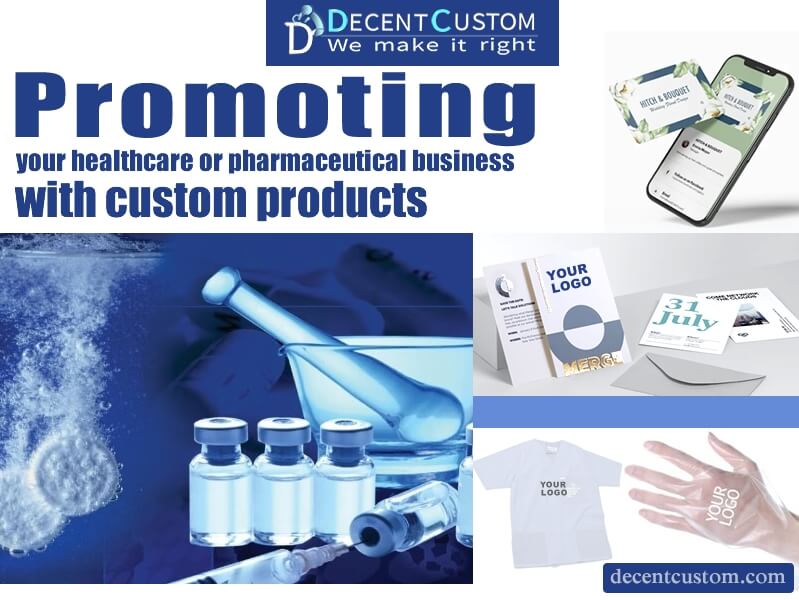
Promoting Your Healthcare or Pharmaceutical Business with Custom Products
Did you know that in the United States, pharmaceutical companies shell out a jaw-dropping $6.5 billion annually on advertising?
This staggering figure isn’t just a number; it reflects the cutthroat competition brewing in the healthcare industry.
In a world where everyone is vying for attention, innovative marketing strategies are essential.
Recently, I attended a healthcare conference where Dr. Sarah Chen, a leading marketing guru, presented a captivating case study.
She detailed how a small regional clinic completely revamped its brand presence through the use of custom products.
Their personalized items, which ranged from stress balls to eco-friendly water bottles, didn’t just enhance patient engagement; they triggered a remarkable 30% surge in new appointments in a mere six months.
Talk about a marketing win!
In today’s fast-paced healthcare landscape, standing out is more critical than ever.
With a staggering 83% of consumers expecting personalized products and services delivered in real-time, healthcare providers must adapt swiftly to meet these rising expectations.
Custom products present a unique opportunity to elevate your brand, display your identity, and forge meaningful connections with patients.
You can find promotional items priced as low as $0.27, while high-end customizable products can reach up to $8.31 each.
This variety offers something for everyone, whether you’re a colossal pharmaceutical giant or a local clinic.
The bottom line is that personalized items can be a game changer in your marketing strategy.
The Power of Personalized Healthcare Marketing
In the realm of healthcare, personalization isn’t just a buzzword; it’s becoming the norm.
I’ve observed a significant shift toward care that is tailored to the individual’s needs and preferences.
This evolution is mirrored in marketing strategies, where unique gifts and products help forge connections with patients and foster trust.
Understanding Personalized Healthcare (PHC)
So, what does personalized healthcare entail?
It’s all about crafting treatments that cater to each individual’s genetic makeup and health data.
The goal? To save time and money, enhance the quality of life, and ultimately help people live longer, healthier lives.
By offering custom gifts, healthcare providers can demonstrate their commitment to addressing each patient’s unique needs.
The Impact of Personalization on Consumer Confidence
Today, patients are increasingly craving care that resonates with their circumstances.
Surprisingly, 72% of people express a desire for more personalized care.
This yearning for a personal touch extends to marketing efforts, as custom gifts serve as tangible reminders of a healthcare provider’s dedication to their patients.
Meeting Post-Pandemic Consumer Expectations
The market for personalized healthcare is projected to skyrocket to $5.7 trillion by 2030, growing at an impressive rate of 11.6% annually.
This growth illustrates how consumer demands have shifted, particularly in the wake of the pandemic.
Healthcare providers can meet these evolving needs by offering personalized items that convey their commitment to individualized care.
| Personalized Healthcare Aspect | Impact on Patient Care | Marketing Opportunity |
|---|---|---|
| Genetic Sequencing | Tailored Treatment Plans | Custom DNA Testing Kits |
| Digital Health Tools | Enhanced Monitoring | Branded Wearable Devices |
| Telemedicine | Improved Access to Care | Personalized Care Packages |
Healthcare providers can truly demonstrate their dedication by utilizing custom gifts and products.
This approach not only meets the changing expectations of post-pandemic consumers but also cultivates stronger patient relationships.

Building Trust and Brand Identity in Healthcare
Trust is the lifeblood of healthcare.
A solid brand identity shapes public perception and fosters patient confidence.
Branding isn’t just about catchy logos or clever slogans; it’s about creating a consistent experience that resonates with patients on a personal level.
The Fragility of Trust in Healthcare
Healthcare trust can be quite fragile.
A recent Deloitte survey revealed that 55% of individuals reported a loss of trust in their providers after negative experiences.
4 out of 5 patients wouldn’t return after a poor encounter.
This stark reality underscores the need for positive interactions at every stage of the patient journey.
To build a robust brand, healthcare organizations must harmonize their voice, target audience, and unique offerings.
In an industry where spending topped $4.5 trillion in 2022, standing out is essential.
Custom items, such as recycled bags and bulk mugs, can showcase your brand’s commitment to high-quality care.
The Importance of Online Presence
Let’s not overlook the digital space.
A whopping 80% of consumers research online reviews before selecting a provider, and 75% are influenced by negative feedback.
Your online presence is an extension of your brand, impacting consumer decisions long before patients set foot in your facility.
Consistency in branding is crucial; it should permeate every aspect of your organization, from visual identity to employee training.
When patients receive a consistent experience, trust and loyalty naturally follow.
Leveraging Custom Products for Healthcare Branding
In the competitive healthcare landscape, standing out is non-negotiable.
With nearly a million healthcare organizations in the U.S., businesses must explore innovative ways to capture attention.
Custom products offer a compelling solution to this challenge.
Types of Custom Products for Healthcare Businesses
Healthcare providers can bolster their brand with an array of custom products, such as:
- Branded medical accessories (think stethoscopes and blood pressure cuffs)
- Customized patient care kits
- Personalized car accessories for mobile healthcare units
- Logo stress balls to help patients unwind
- Branded telemedicine platforms
Benefits of Using Custom Products in Healthcare Marketing
Incorporating custom products into healthcare marketing provides a wealth of advantages:
- Enhanced Brand Recognition
- Improved Patient Trust and Comfort
- Increased Engagement and Loyalty
- Compliance with HIPAA Regulations in Marketing Efforts
White-label telemedicine solutions enable healthcare providers to customize their digital platforms, instilling a sense of familiarity and encouraging usage.
Choosing the Right Custom Products for Your Brand
When selecting custom products, consider the following factors:
| Factor | Importance |
|---|---|
| Brand Alignment | Ensures consistency in messaging |
| Target Audience | Tailors products to meet patient needs |
| Functionality | Provides value beyond mere branding |
| Quality | Reflects positively on your healthcare service |
By strategically employing custom products, healthcare organizations can create unique experiences that fortify their brand and foster patient loyalty in today’s digital age.
Enhancing Patient Engagement with Personalized Follow-Up Care
Personalized follow-up care is a cornerstone of better patient outcomes and reduced healthcare costs.
The global market for patient engagement solutions is anticipated to reach $66.4 billion by 2032, underscoring the growing importance of this sector.
The Shift Towards Patient-Driven Care
Personalized health planning stands as a robust model in healthcare.
It prioritizes patient-driven care, proving to be more effective than traditional approaches for managing chronic diseases.
Automated tools have been shown to boost patient satisfaction by an impressive 35%.
Custom thank-you bags serve as excellent reminders for patients about their appointments, helping them adhere to medication regimens.
Bulk cooler bags can hold health education materials or medication samples, further supporting patient care.
The Impact of Engagement on Treatment Adherence
Personalized engagement has a profound effect on patient behavior.
Well-informed patients are 30% more likely to adhere to their treatment plans.
Engagement platforms report a 25% increase in engagement rates, leading to improved health outcomes and lower costs.
Healthcare providers can utilize tools like the Personal Health Inventory and the Circle of Health to adopt a holistic approach to care.
These resources empower patients to comprehend their health status and set personal health goals, giving them greater control over their healthcare journeys.

Implementing Flexible Care Options for Modern Consumers
In our fast-paced world, healthcare must be agile, evolving rapidly to meet the needs of today’s consumers.
Let’s explore how custom products and personalized items can enhance these new care models.
Telemedicine and Hybrid Care Models
Telemedicine has revolutionized healthcare accessibility.
It’s a boon for those with mobility challenges or who reside in remote areas.
Hybrid care models blend online and in-person services, providing a comprehensive care package.
Healthcare providers can offer custom products like webcam covers or personalized screen cleaners.
These thoughtful additions enhance the telehealth experience and reinforce your brand’s identity.
Self-scheduling and Real-Time Booking Options
Allowing patients to schedule their appointments is a game changer.
It streamlines processes and significantly enhances patient satisfaction.
Real-time booking options enable patients to receive immediate attention for urgent needs.
Branded phone stands or digital calendars can accompany these systems, reminding patients of their appointments and promoting your brand.
After-Hours Care Alternatives
Offering after-hours care options, such as nurse hotlines or online chats, is crucial for meeting consumer demands.
These services provide peace of mind and help reduce unnecessary ER visits.
Supporting these services with custom items like emergency magnets or first-aid kits ensures that patients remember your care options when they need them most.
| Flexible Care Option | Benefits | Supporting Custom Products |
|---|---|---|
| Telemedicine | Increased accessibility, reduced travel time | Branded webcam covers, screen cleaners |
| Self-Scheduling | Patient empowerment, reduced admin work | Branded phone stands, digital calendars |
| After-Hours Care | 24/7 support, reduced ER visits | Emergency contact magnets, first-aid kits |
Conclusion: Elevate Your Brand with Custom Products
In an increasingly competitive healthcare market, the importance of standing out cannot be overstated.
Custom products serve as powerful tools for fostering engagement, trust, and loyalty among patients.
As demonstrated by Dr. Sarah Chen’s case study, personalized gifts and marketing efforts can yield tangible results, helping businesses thrive in this dynamic landscape.
With a proactive approach, healthcare organizations can harness the potential of custom products to elevate their brand, enhance patient experiences, and ultimately improve health outcomes.
The future of healthcare marketing is bright, and those who embrace customization and personalization will lead the charge.