
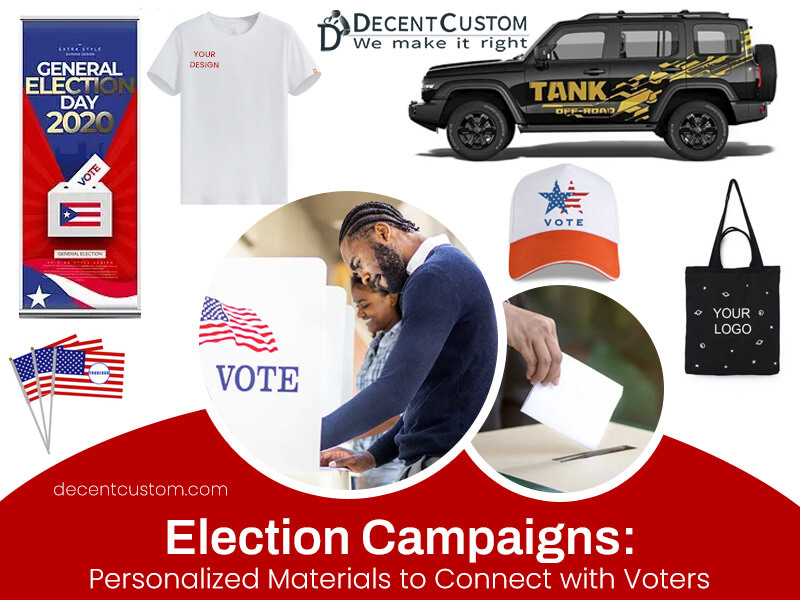
Election Campaigns: Personalized Materials to Connect with Voters
In the bustling world of election campaigns, the quest for voter attention has never been more competitive. Amidst the cacophony of generic messages, personalized campaign materials emerge as beacons of relevance, forging a connection that resonates on a personal level with voters. This article delves into the art and science of personalization in political campaigns, offering a comprehensive guide for campaign teams eager to engage voters more effectively.
Introduction: The Evolution of Campaign Strategies
Gone are the days when broad, one-size-fits-all campaign strategies sufficed. In today’s dynamic political landscape, the importance of personalized materials in election campaigns cannot be overstated. Personalization marks a significant evolution in campaign strategies, transitioning from generic outreach to tailored communication that addresses the individual voter’s interests, concerns, and aspirations.
The Power of Personalization in Politics
Why does personalization wield such influence in political campaigns? The answer lies in the psychology of voter behavior. Personalized materials not only capture attention but also foster a sense of connection and loyalty. When a campaign acknowledges the individual voter, it sends a powerful message: “Your voice matters.”
Types of Personalized Campaign Materials
Direct Mail: Tailored Letters and Postcards
Direct mail remains a stalwart of personalized communication, with tailored letters and postcards that reference local issues and address voters by name. This direct approach creates a tangible connection, offering a personal touch in the digital age.
Customized Digital Content: Engaging the Digital Voter
In the realm of digital content, personalization takes center stage with customized emails, social media posts, and targeted ads. Platforms like DecentCustom excel in crafting custom products, including custom hats, that campaigns can utilize to resonate with specific demographics.
Merchandise: Personalized Campaign Gear
Customized campaign merchandise, from t-shirts to Customize Adjustable X Banner stands, allows supporters to wear their politics literally on their sleeves, creating a personal badge of support.
Text Messaging Campaigns: Direct Voter Engagement
Personalized SMS messages offer a direct line to voters, delivering targeted messages that engage on a personal level, making every text feel like a conversation rather than a broadcast.
Utilizing Data for Customization
The backbone of effective personalization is data. Campaign teams gather and analyze voter data to tailor materials effectively. However, ethical considerations and privacy concerns must guide this data usage, ensuring respect for voter privacy while crafting personalized messages.
Crafting Effective Personalized Messages
Writing compelling, personalized content requires authenticity and consistency. It’s about striking a chord with voters by understanding their values and concerns, ensuring messages are not just personalized but personally meaningful.
Integrating Personalization Across Campaign Channels
A cohesive campaign integrates personalized materials across digital, print, and event channels. Technology plays a pivotal role, enabling personalized communication at scale, with examples of campaigns that have mastered this art offering valuable lessons.
Challenges and Pitfalls to Avoid
Personalization is not without its challenges. Campaigns must navigate the fine line between personalization and privacy, ensuring voter data is used responsibly. Additionally, logistical and budgetary constraints pose significant hurdles.
Measuring the Impact of Personalized Campaign Materials
Effective measurement is crucial. Campaigns employ various tools and techniques to track the effectiveness of personalized materials, using key performance indicators to assess engagement, conversion, and voter sentiment.
Conclusion: The Future of Personalized Campaigning
The future of election campaigns lies in personalization. As we look ahead, emerging trends and technologies promise to further enhance the ability to connect with voters on a personal level, making personalized materials not just a strategy but a necessity.
Looking Ahead: Emerging Trends in Personalized Campaigning
The horizon of personalized campaigning is ever-expanding, with innovations in data analysis, AI, and digital communication opening new pathways to voter engagement. As campaigns continue to evolve, the embrace of personalization will undoubtedly shape the political landscape of tomorrow.
FAQs
What makes personalized materials effective in political campaigns?
Personalized materials speak directly to the voter’s interests and concerns, creating a sense of individual attention and connection that broad messages cannot match.
How can campaigns gather data for personalization without violating privacy?
Campaigns can use publicly available data, opt-in surveys, and social media interactions, ensuring transparency and consent in their data collection methods.
Can personalized campaign materials sway undecided voters?
Yes, by addressing specific concerns and demonstrating understanding, personalized materials can influence undecided voters by making the campaign’s message more relevant to their circumstances.
How do campaigns measure the effectiveness of personalized materials?
Campaigns use tools and metrics such as open rates, click-through rates, conversion rates, and sentiment analysis to gauge the impact of personalized materials on voter engagement and sentiment.
What are the future trends in personalized political campaigning?
Future trends include greater use of AI and machine learning for data analysis, immersive digital experiences to engage voters, and enhanced privacy measures to protect voter data.