
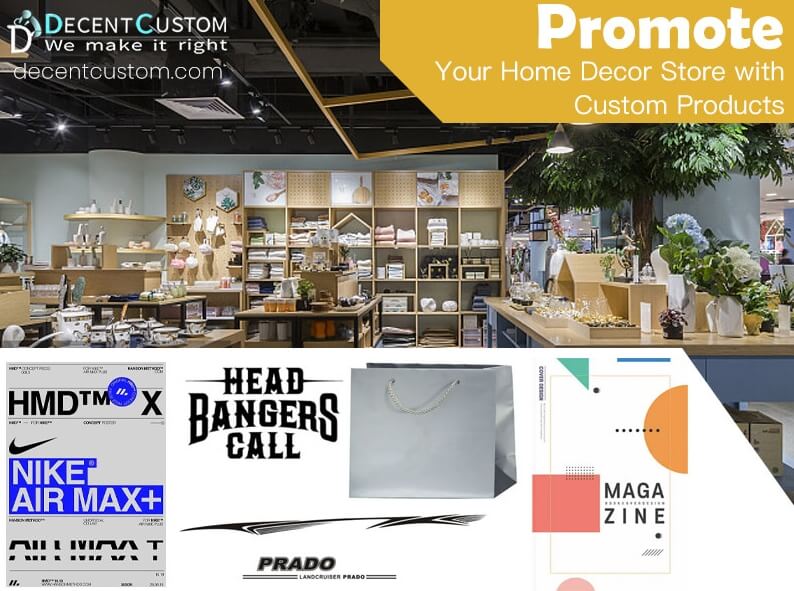
The Power of Custom Products in Home Décor: How to Stand Out and Succeed
In today’s fast-paced world, people crave something unique, something that screams, “This is mine.” And when it comes to home décor, personalization is leading the charge. As consumers move away from the cookie-cutter offerings of mass production, they want their homes to reflect their style and personality. This shift presents a golden opportunity for home décor stores to ride the wave of customization and turn profits. But how do you tap into this trend effectively? Well, let’s break it down.
Why Customization is a Game-Changer
Imagine walking into a home store, and instead of finding the same old pillows, throws, and lamps, you can design your own. That’s what custom products offer: a personal connection to the items in your home. It’s not just about the object anymore; it’s about the story, the experience.
Think of it like this—80% of customers are more likely to make a purchase when they feel the product was made specifically for them. It’s that personal touch that turns a regular customer into a loyal fan.
Take Sarah, a customer at my store. She ordered customizable throw pillows with family photos printed on them. When she shared those pillows on social media, the ripple effect was immediate. Orders poured in from her friends and followers. It became evident that these unique, personalized items resonated with people who wanted to make their homes stand out.
Exploring the Customization Wave: More Than Just Products
Now, offering custom products isn’t just about putting a photo on a pillow. It’s about creating an entire experience for your customers. People want to feel like they are co-creating something, whether it’s a personalized night lamp, a blanket with a unique design, or large window decals that reflect their taste. It’s a creative process that puts the power of design in the hands of the buyer.
In my own experience as a store owner, I’ve found that once customers realize they have the freedom to customize, they keep coming back for more. It turns shopping into an engaging, exciting process.
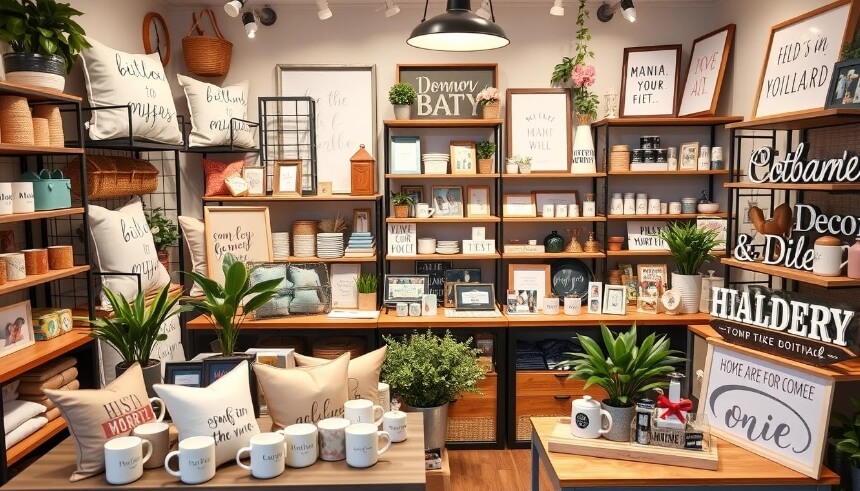
Choosing the Right Products for Personalization
So, how do you know what products to offer for customization? Start with the basics, like custom pillows, blankets, and wall art. Functional items, but also offer plenty of creative freedom. The more a product can be personalized, the higher its perceived value.
For example, custom photo night lights are incredibly popular. They add that cozy glow while displaying a cherished memory, making them a hit for both gifting and personal use. The best part? Over 70% of people are willing to pay more for products that they can customize. That’s right—customization isn’t just a customer pleaser, it’s a revenue booster.
How to Set Your Store Apart in a Competitive Market
With the home décor market expected to reach $27.15 trillion by 2027, standing out is critical. Custom products offer an excellent way to differentiate your store from the competition. Offering unique, personalized options gives you a leg up in a crowded marketplace where everyone is vying for attention.
But it’s not just about offering custom products—it’s about how you market them. Show off the possibilities through social media, create interactive design tools for your website, and build a community around the idea of personalization.
Leveraging Print-On-Demand and No Minimum Orders
One of the biggest fears small business owners have is getting stuck with unsold inventory. That’s where platforms like Gooten come in. They allow you to offer a wide range of custom items with no minimum order requirements. You can test out new designs without the financial risk of bulk ordering. Plus, print-on-demand services handle the printing and shipping, so you don’t have to worry about stock management or fulfillment.
Platforms like this give you flexibility while scaling up your product range. You can dip your toes into new products and pivot quickly based on customer feedback. This adaptability is key in today’s fast-moving retail world.
Why Quality Matters: Advanced Printing Techniques
Customers are willing to pay a premium for personalized items, but only if the quality matches the price tag. Investing in advanced printing techniques like AGX/Silver Halide and Direct to Garment (DTG) printing ensures that your products not only look great but last long, with vibrant colors and crisp details. High-quality products not only leave a lasting impression but also drive repeat business.
Creating a Seamless Customization Process for Your Customers
Let’s face it—people love convenience. If the customization process is too complicated, potential customers will give up before completing their order. It’s essential to offer an easy-to-navigate, intuitive design tool on your site. Provide options that balance creativity with simplicity. The easier it is to customize, the more likely customers are to take the plunge.
But don’t forget to manage expectations. Be clear about production times and what customization options are available. Transparency builds trust, and trust is the backbone of a successful business.

Marketing Custom Products: Show, Don’t Tell
The key to selling custom home décor? Show people what they can create. Use your social media channels to post user-generated content. Nothing builds credibility like real customers sharing their unique products. Collaborate with influencers who can showcase your customizable items in real homes. This not only builds awareness but also inspires other customers to get creative.
Email marketing is another tool in your arsenal. Personalized email campaigns that highlight new customization options can encourage repeat business and keep your store top-of-mind.
Conclusion: A Personal Touch for Lasting Success
As consumers move toward products that reflect their personalities, custom home décor offers an exciting avenue for growth. Whether you’re a small business looking to break into the market or a larger store wanting to diversify your offerings, personalized products can help you stand out and drive meaningful engagement. The bottom line? Customization is no longer just a trend; it’s the future of retail.
By offering your customers the chance to co-create, you’re not just selling products—you’re selling experiences. And in today’s experience-driven economy, that’s what makes all the difference.