
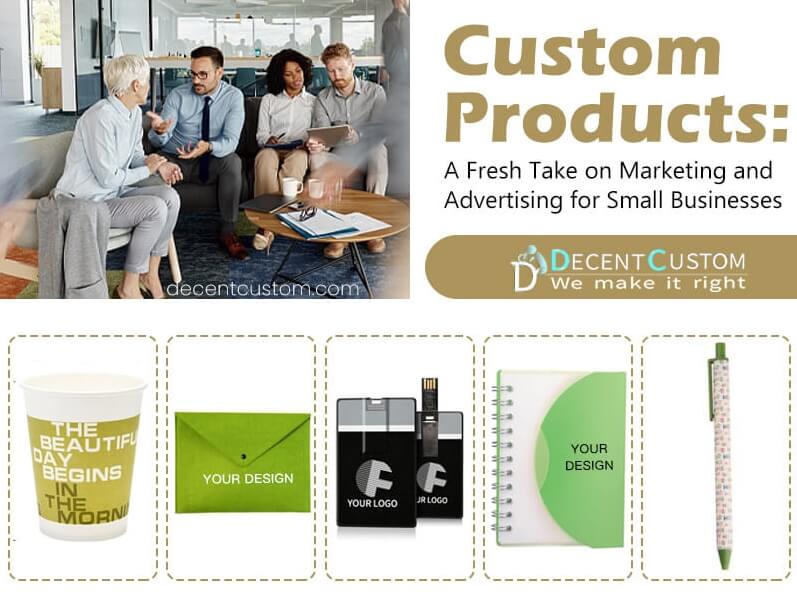
Custom Products: A Game Changer for Small Business Marketing
When you think about your favorite brands, what comes to mind?
It’s probably the ones that made you feel a little special, right?
Brands that know how to connect with their customers, treating them as individuals rather than just another faceless transaction.
In today’s crowded marketplace, small businesses can no longer compete on price alone.
They need an edge, something that makes them stand out.
That’s where custom products come in, adding a fresh, personalized touch that helps businesses cut through the noise.
But how exactly does this work, and why are businesses like Mia’s small boutique thriving with this strategy?
Let’s dive into this transformation story.
Why Customization is Key to Modern Advertising
In a world filled with endless options, customers want to feel valued.
Look at Coca-Cola’s “Share a Coke” campaign—an absolute masterclass in personalization.
By simply printing popular names on bottles, they sparked massive engagement, conversations, and, of course, sales.
Customers didn’t just buy a Coke; they bought something personal.
Now imagine that power in the hands of small business owners like Mia, who runs a charming boutique in downtown Austin.
Initially, Mia was struggling to compete against big box stores, her brand getting drowned out.
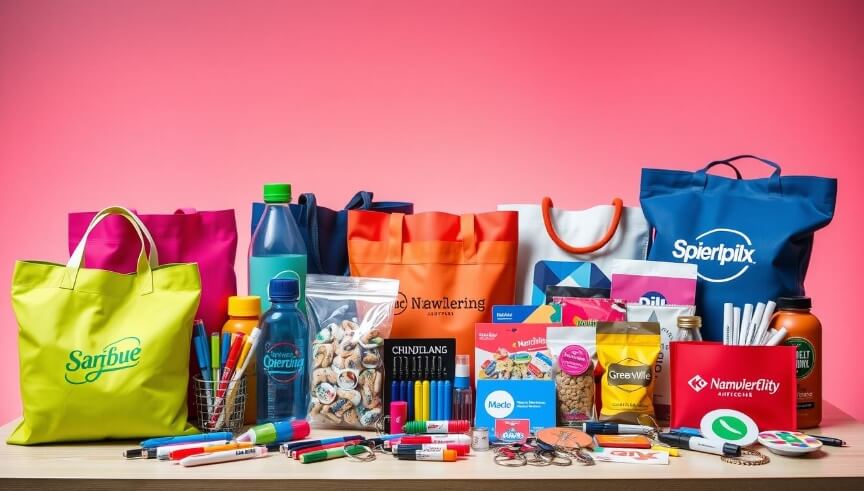
Then she hit on an idea—bulk custom tote bags and personalized photo night lights tailored to her customers.
These items weren’t just cute or functional; they became extensions of her customers’ personalities.
The result?
Mia didn’t just see a boost in sales, but she also turned her customers into walking, talking billboards for her brand.
The Personal Touch: How Custom Products Build Loyalty
We all want to feel seen.
That’s human nature.
And brands that understand this are reaping the rewards.
For Mia, the personalized products not only sold well but brought in repeat customers, creating a community around her brand.
It’s not just about a product anymore—it’s about an experience.
People loved the personal connection they felt with her store, and word-of-mouth quickly spread.
This is where custom products excel.
They don’t just sit on a shelf; they become part of the customer’s daily life, subtly reminding them of the brand that gave them that experience.
The Proof is in the Data
Did you know that companies that focus on personalization grow 6% to 10% faster than their competitors?
This isn’t just a fluffy trend; it’s backed by hard data.
Custom products can boost customer engagement by 41%, as people are more likely to hold onto and use products that feel uniquely theirs.
A tote bag with your name or a custom photo night light of your family doesn’t just sit in a drawer—it becomes part of your daily routine, keeping the brand top of mind.
Building a Stronger Brand Identity
Another hidden gem in using custom products is how they help build brand identity.
When customers see their favorite brands aligning with their personal style or needs, loyalty grows.
For Mia, offering personalized items like tote bags with artistic designs aligned with her boutique’s quirky, local vibe.
It resonated.
This is a massive advantage for small businesses that may not have big marketing budgets.
Customization offers a high return on investment, as the brand becomes something more than just a logo—it becomes part of the customer’s life.
How to Leverage Custom Products for Maximum Impact
It’s not enough to just slap your logo on a product and call it a day.
Effective use of custom products requires a strategic approach.
The key is in understanding your audience deeply—what do they value, what are their needs, and how can your products enhance their lives?
Mia, for example, tapped into Austin’s eco-conscious culture by offering reusable tote bags.
She knew her audience cared about sustainability, and her products spoke directly to that value.
Similarly, tech companies might focus on custom tech accessories that stay with users for years, providing long-term brand exposure.
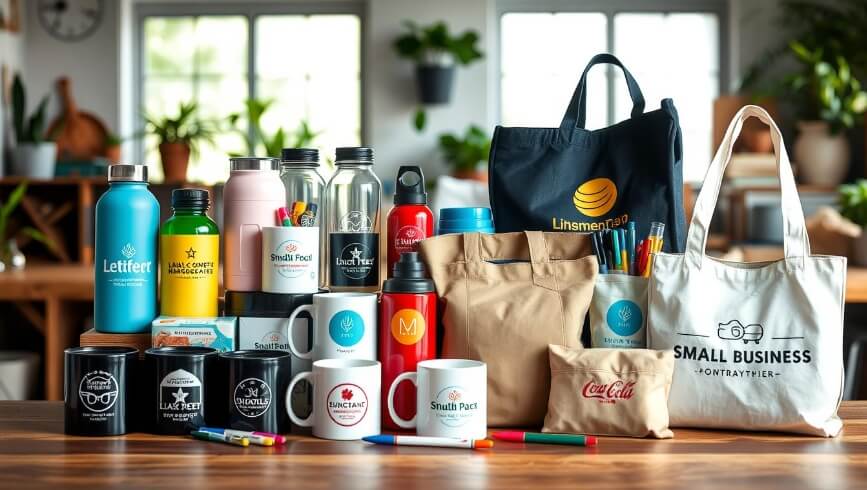
Choosing the Right Custom Products From Decentcustom for Your Business
Let’s face it: not all custom products are created equal.
Some resonate, while others… not so much.
So, what makes the difference?
Stickers and Labels: Small But Mighty
Want a low-cost, high-impact way to promote your brand?
Think about stickers and labels.
They may be small, but they pack a punch, especially for small businesses.
Imagine putting a quirky sticker on a laptop or water bottle—it’s a conversation starter and a subtle way to build brand recognition.
Custom Apparel: Walking Billboards
Custom apparel, like t-shirts and hats, turns your customers into walking advertisements.
What’s more?
The apparel market is massive, with sales expected to hit $2.25 trillion by 2025.
Offering custom-designed apparel ensures your brand stays visible.
Reusable Tote Bags: A Sustainability Statement
Eco-friendly and useful, reusable tote bags hit the sweet spot between functionality and brand loyalty.
These bags are carried everywhere, from the grocery store to the gym, giving your brand constant exposure while aligning with sustainability trends.
Maximizing Return on Investment with Promotional Giveaways
Promotional giveaways aren’t just freebies—they’re strategic investments.
Research shows that people are more likely to remember a brand after receiving a promotional item than from any other form of advertising.
The trick is to choose items that people will use, like custom water bottles or phone chargers.
And personalization makes these giveaways even more effective.
Remember, a thoughtful, custom product can keep your brand in the customer’s hand—and mind—for months or even years.
The Future of Custom Products in Small Business Marketing
The shift toward personalization is only going to grow.
As more and more consumers crave unique, tailored experiences, small businesses that can meet this demand will thrive.
The data is clear: 76% of people are willing to pay more for a product that’s personalized.
This is a massive opportunity for small businesses looking to stand out in a competitive market.
By integrating custom products into your marketing strategy, you’re not just selling an item—you’re creating an experience, building loyalty, and turning your customers into lifelong advocates for your brand.